How Commercial Fit Out Companies Shape Modern Workspaces
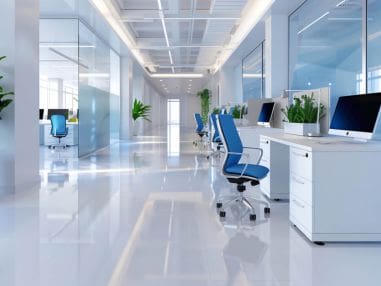
Modern workspaces now carry far more responsibility than they did even a few years ago. Offices must support productivity, reflect company culture, adapt to changing working patterns, and justify their place in a hybrid world. For businesses planning change, this creates pressure to get decisions right early.
Commercial fit out companies play a central role in shaping how these environments function now and how they will support organisations in the years ahead. Their influence extends beyond design delivery into long term operational value, workforce experience, and business resilience.
If you are considering a fit out, refurbishment, or relocation, the choices made today will affect how your team works tomorrow. Understanding how companies contribute to that outcome helps you make informed decisions with confidence.
Defining what the modern workspace needs to achieve
The purpose of an office has shifted. It must now support collaboration, focused work, and employee wellbeing while also acting as a physical expression of brand and culture. These demands often compete with one another, which makes planning complex.
A modern workspace needs to work at several levels. It must support daily operations, allow for future change, and create an environment where people want to spend time. Poor alignment between these factors can lead to underused spaces, friction between teams, or costly changes later.
Commercial fit out companies start by assessing how an organisation operates today and where it is heading. This forward looking approach helps ensure that space planning decisions support growth, flexibility, and evolving working patterns instead of locking teams into layouts that quickly become outdated.
Turning organisational culture into practical design decisions
Culture shapes how people work together, how decisions are made, and how teams communicate. When culture and workspace design conflict, employees feel it immediately.
An office designed without cultural understanding often forces behaviours that do not suit the organisation. For example, open layouts may limit focus in environments that rely on concentration, while overly segmented spaces can restrict collaboration in team driven businesses.
Commercial fit out companies translate culture into physical form through layout planning, zoning, and spatial hierarchy. This allows the environment to reinforce how teams naturally work while supporting positive change where needed. Over time, this alignment helps offices feel intuitive rather than imposed.
Designing for operational efficiency and long-term use
Efficiency in the workplace comes from design that supports movement, access, and functionality without creating friction. Poor layouts increase wasted time, disrupt workflows, and limit productivity.
Effective space planning considers circulation routes, storage needs, meeting room demand, and desk utilisation. These elements may appear minor in isolation, but together they shape how smoothly an office operates each day.
Companies also bring experience from multiple sectors, which allows them to anticipate common problems before they appear. By addressing these issues during design, they reduce disruption and support consistent performance once the space is in use.
Managing delivery through integrated project leadership
Design quality alone does not determine project success. Delivery, coordination, and accountability matter just as much.
Fit out projects involve many moving parts including designers, contractors, suppliers, and building management teams. Without strong leadership, this complexity can lead to delays, cost overruns, or diluted design outcomes.
Commercial fit out companies that manage projects end to end provide continuity throughout the process. Decisions remain aligned with original objectives, risks are addressed early, and communication stays clear. For clients, this reduces uncertainty and creates confidence in both timeline and outcome.
Planning spaces that adapt to future change
Workplaces must now accommodate growth, restructure, and shifts in working style without repeated disruption. Flexibility has become a practical requirement rather than a design preference.
Future focused offices use adaptable layouts, modular furniture, and scalable infrastructure. These choices allow teams to reconfigure space without major building works, which saves time and cost.
Commercial fit out companies plan for these scenarios during early design stages. By anticipating future needs, they help organisations avoid spaces that quickly become restrictive and instead deliver environments that evolve alongside the business.
Sustainability as part of long-term business planning
Sustainability affects both environmental responsibility and operational performance. Offices that consume excessive energy or rely on short lifespan materials increase long term costs.
Responsible fit out approaches consider energy efficiency, material durability, and waste reduction during construction. These decisions support corporate responsibility goals while also reducing operational overheads.
Increasingly integrate sustainability into decision making without compromising practicality. The result is workspaces that perform efficiently over time and align with broader organisational values.
Supporting wellbeing through considered design
Workplace wellbeing directly affects performance, retention, and engagement. Lighting, acoustics, ergonomics, and air quality all influence how people feel during the working day.
Design that ignores these factors can increase fatigue and distraction. In contrast, environments that support comfort and choice help teams stay focused and engaged.
Companies address wellbeing through practical design choices rather than surface level features. By planning spaces that balance focus, collaboration, and comfort, they support healthier working environments that remain effective long term.
Designing collaboration spaces that serve real work
Collaboration spaces only add value when they suit how teams work. Generic breakout areas often remain unused if they do not meet practical needs.
Effective collaboration spaces support specific activities such as workshops, project work, and informal discussions. Layout, technology, and acoustics must align with these uses.
Companies that design collaborative areas based on observation and experience. This ensures that shared spaces support productivity instead of creating distraction or frustration.
Creating an office that supports what comes next
Many organisations focus on solving immediate space challenges, but the greatest value comes from planning with future goals in mind. An office should support where your business is heading, not just where it stands today.
Working with experienced companies allows you to test assumptions early and refine plans before decisions become fixed. This reduces risk and increases confidence that the workspace will continue to support your team as priorities change.
If your organisation is planning change, this stage offers an opportunity to align physical space with long term strategy and workforce needs.
Managing complexity without disrupting your business
Fit out projects sit alongside ongoing business operations. Poor coordination can lead to disruption, delays, or loss of focus for internal teams.
Commercial fit out companies manage complexity behind the scenes, coordinating stakeholders and sequencing works to minimise impact. This structured approach protects business continuity while keeping projects on track.
For leadership teams, this support removes the need to manage multiple suppliers directly and allows focus to remain on core responsibilities.
Measuring success beyond project completion
A workspace proves its value over time through usability, adaptability, and employee response. Early feedback helps identify small adjustments that improve performance.
Commercial fit out companies that offer aftercare and post occupancy review demonstrate commitment to long term outcomes. This ongoing relationship helps ensure the workspace continues to support evolving needs.
Why experience matters when shaping modern offices
Designing a modern workspace requires insight into people, operations, and future planning. Experience allows fit out partners to balance these factors without overcomplicating solutions.
Planning your next workspace with confidence
Your office influences how people work, collaborate, and experience your organisation each day. When design, delivery, and culture align, the workspace becomes a practical business asset that supports performance and long-term growth.
Working with commercial fit out companies that understand both people and operations leads to better outcomes for your team and your organisation. If you are planning a fit out, refurbishment, or reconfiguration, speaking with Bates Studio allows you to explore how a culture first, end to end approach can support your people, manage complexity, and deliver a workspace that works for the future.
A conversation with us can help you assess your current environment, clarify priorities, and move forward with confidence based on how your business operates today and where it is heading