How Office Refurbs Improve Productivity and Workplace Appeal
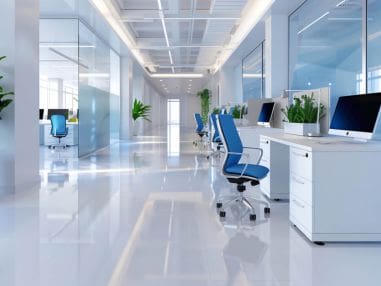
Productivity is shaped by the conditions people work in every day. Space, layout, comfort, and usability all influence how teams operate, communicate, and maintain focus. When a workplace no longer supports how your business runs, performance suffers gradually rather than suddenly.
Office refurbs address this gap. They give businesses the opportunity to realign their physical environment with current working patterns and future goals. When planned with intent, refurbishment improves output, strengthens workplace appeal, and supports long-term operational stability.
This article looks at how office refurbs contribute to productivity and appeal by focusing on practical outcomes, not surface-level change.
The workplace sets the pace for daily performance
People adapt quickly to inefficient spaces, but adaptation comes at a cost. Poor layouts increase interruptions. Inadequate meeting provision slows decision-making. Discomfort reduces concentration across the day.
Refurbishment allows you to remove these friction points at a structural level. Instead of asking people to work around the building, the building starts supporting the work.
Refurbs that focus on how teams operate reduce wasted time and mental load. Over weeks and months, this leads to steadier output and fewer operational slowdowns.
Productivity improves when space aligns with task
Different tasks require different conditions. Focused work, collaboration, confidential conversations, and informal discussion all need appropriate environments. Many offices struggle because one type of space dominates.
Refurbishment makes it possible to plan space around activity rather than hierarchy. Zoning clarifies where work happens and why. Teams spend less time adjusting their behaviour to suit the space and more time working effectively.
This alignment improves productivity because people can move through the day with fewer compromises.
A single list of practical productivity gains
Well-planned office refurbs commonly support productivity through:
- Clearer zoning that reduces disruption
- Improved acoustics that support concentration
- Better lighting that reduces fatigue
- Furniture that supports posture and sustained work
These changes do not rely on behavioural enforcement. They support performance by design.
Workplace appeal influences attendance and retention
Appeal affects how people feel about coming into the office. A space that feels neglected or outdated creates disengagement, even when the work itself is strong.
Refurbishment resets this relationship. A considered environment shows that the business values its people and expects the workplace to support them properly.
Refurbs improve appeal by creating spaces that feel intentional, coherent, and aligned with how teams work today. This matters for both existing staff and those considering joining the business.
Comfort underpins consistent performance
Environmental comfort shapes how long people can maintain focus. Lighting, ventilation, and temperature control influence energy levels across the day.
Refurbishment allows these elements to be addressed systematically. Upgrading lighting systems, improving airflow, and adjusting layouts for better daylight access all contribute to steadier performance.
Comfort does not distract from productivity. It supports it by reducing physical strain and mental fatigue.
A culture-first approach delivers better outcomes
Refurbishment succeeds when it reflects how people work, not when it follows trends. A culture-first approach starts with listening.
Understanding communication styles, team structures, and working rhythms informs design decisions. The resulting space supports behaviours the business wants to encourage.
Office refurbs designed this way age better because they remain relevant as teams grow and adapt.
Planning for the future, not the past
Many refurbishments focus too heavily on current problems. A stronger approach considers what the business needs to support in the next three to five years.
Growth, new roles, changes in working patterns, and evolving technology all influence space requirements. Planning with this horizon avoids short-term fixes and repeated disruption.
Office refurbs that look forward provide flexibility and resilience, not just immediate improvement.
Understanding what your workplace needs to support next
Refurbishment decisions benefit from an external perspective. A specialist can help you assess how your current space supports productivity, culture, and future plans, then translate that understanding into a practical strategy.
Speaking with a team experienced in end-to-end office design, refurbishment, and fit-out helps you clarify priorities before committing to change.
Refurbishment and recruitment outcomes
Candidates form impressions quickly. The workplace they see influences how they perceive the organisation.
Office refurbs support recruitment by creating environments that feel purposeful and well-considered. They help new starters understand the culture and expectations of the business from day one.
This contributes to smoother onboarding and stronger early engagement.
Measuring value beyond appearance
The impact of refurbishment becomes visible through operational indicators. Improved attendance, better space usage, and smoother collaboration often follow when the environment supports work properly.
Refurbs deliver value when they form part of a wider workplace strategy rather than a standalone project.
Integrating service delivery into the solution
End-to-end delivery matters. Design decisions influence build outcomes, and both affect how the space performs over time. A joined-up approach reduces risk and maintains intent from concept through completion.
For businesses planning refurbs in the office, working with a team that manages design, refurbishment, fit-out, and aftercare ensures continuity and accountability throughout the process.
Considering how your space supports future performance
If your workplace no longer reflects how your business operates or where it is heading, refurbishment offers a structured way to realign space with purpose.
A conversation with a studio that places culture, people, and function at the centre of design can help you understand what change would deliver the most value for your team and operation.
Speaking directly with us allows you to explore how your workplace currently supports your teams and where it may be holding them back. Through open, practical discussion, you can understand what changes would deliver measurable value for your people, your operations, and your future plans.
Early conversations also help set realistic expectations around timeframes, budget, and disruption. Understanding these factors upfront allows you to plan refurbishment activity around business priorities, avoiding unnecessary pressure on teams or operations. This clarity supports better decision-making long before design work begins.
A structured discussion also helps identify where investment will have the greatest impact. Some businesses benefit most from layout changes that improve collaboration. Others need quieter zones to support focused work or better meeting provision to reduce delays. By assessing how your teams use the space today and how that may change, refurbishment decisions become targeted rather than speculative.
Office refurbs work best when they respond to real operational needs. This includes understanding how departments interact, how technology is used, and how space can support flexibility without constant reconfiguration. These considerations influence not only productivity but also how easily the workplace adapts as the business grows.
Taking the time to review your workspace from this perspective ensures refurbishment delivers lasting value. Instead of reacting to constraints as they arise, you create an environment that supports performance, engagement, and stability over the long term.