How office design and build services transform workspaces
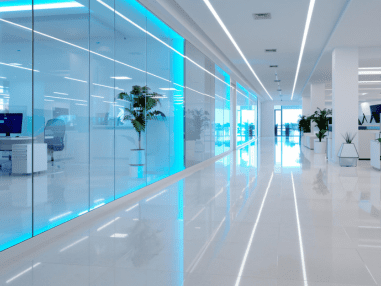
An office shapes how people work, communicate, and make decisions each day. As organisations change, the workplace must keep pace. When it does not, friction appears in small ways first, reduced focus, inefficient layouts, or space that no longer supports collaboration.
Office design and build services provide a structured way to realign space with how your business operates now and how it plans to operate in the years ahead. By bringing design, delivery, and project management together, this approach creates workplaces that remain effective, adaptable, and commercially sound.
Rather than reacting to problems as they arise, businesses can use a joined up model to plan for growth, change, and long-term use.
What design and build mean in practice
Office projects often involve multiple suppliers working in sequence. Designers focus on concept, contractors focus on delivery, and responsibility moves between teams. This can create gaps in communication and delays when decisions need revisiting.
A design and build approach remove those gaps. One team leads the project from initial briefing through to completion, ensuring design intent and delivery decisions stay aligned.
These services allow budgets, timelines, and technical requirements to inform design choices early. This reduces late-stage changes and keeps expectations realistic throughout the project.
For businesses, this means fewer surprises and clearer visibility from the outset.
Designing spaces that support how people work
An effective office supports focus, collaboration, movement, and wellbeing. These outcomes depend on how space is planned, not simply how it looks.
Design and build teams consider how teams interact, how often spaces are used, and how work patterns may change. Layouts respond to real behaviours rather than assumptions.
Office design and build services integrate acoustics, lighting, storage, and circulation into the core design process. These elements influence comfort and productivity over long working days.
Research from Leesman shows that employees who feel supported by their workplace report higher engagement and performance. Spaces designed around task and behaviour contribute directly to business outcomes.
Clear ownership from start to finish
One of the strongest advantages of a design and build model is accountability. With a single team responsible for the project, decisions move faster and communication becomes simpler.
Project managers work alongside designers and delivery teams, balancing creative ambition with practical delivery. When challenges arise, solutions are assessed in context rather than in isolation.
Office design and build services reduce the coordination burden placed on your internal teams. Instead of managing multiple suppliers, you work with one partner who understands the full scope of the project.
This structure supports momentum and confidence throughout the process.
Planning for future use, not just today
Workplace needs continue to change. Hybrid working, evolving technology, and shifting team structures place new demands on office space.
Design and build teams plan for this by creating layouts that adapt easily. Infrastructure supports future reconfiguration, allowing space to change without major disruption.
Design and build services consider long term value as part of early planning. This approach helps businesses avoid repeated refurbishment cycles and unnecessary cost.
Sustainability also plays a role. Responsible material choices and energy efficient design contribute to lower operational impact and improved workplace performance.
A conversation about your workspace
If your office no longer reflects how your organisation operates or plans to grow, an early conversation can bring clarity. Reviewing options before decisions are fixed allows you to assess priorities and future opportunities.
Speaking with Bates Studio gives you access to a team that considers design, delivery, and long-term use together. This early insight can shape a workspace that supports your people and your objectives.
Translating culture into physical space
Workplace culture influences how teams collaborate, communicate, and feel supported. Space plays a direct role in reinforcing those behaviours.
Design and build teams work closely with organisations to understand values, working styles, and leadership expectations. These insights inform layout decisions, space allocation, and furniture selection.
Office design and build services allow culture to guide design rather than being applied after completion. This results in spaces that feel intentional and aligned with how teams operate.
Managing complexity with confidence
Office projects involve regulatory requirements, landlord constraints, and operational considerations. These factors need careful coordination to avoid delays.
Design and build teams integrate compliance planning into the design phase. This keeps projects moving and reduces disruption later in the programme.
Office design and build services provide consistency across all stages, helping businesses maintain confidence from briefing through to handover.
Supporting operational performance over time
An office should support how your business operates today while allowing room for change as priorities shift. Decisions made during design and delivery influence how efficiently teams work long after the project is complete.
Design and build teams consider operational performance as part of early planning. This includes how space supports movement, reduces friction between teams, and allows people to work without unnecessary interruption. Layouts account for adjacencies between departments, shared resources, and the flow of people throughout the day.
Office design and build services also consider how space impacts management and maintenance over time. Durable finishes, accessible services, and logical zoning reduce ongoing disruption and simplify future updates. These practical choices support continuity and help businesses avoid repeated adjustments that can affect productivity.
Technology integration forms part of this thinking. Power, data, and meeting spaces are planned to support changing tools and working patterns, rather than reacting to them later. This allows teams to adopt new systems without reworking the environment.
By focusing on operational performance early, businesses create workplaces that remain effective as teams grow, roles change, and ways of working continue to develop.
Measuring long term impact
A successful workplace delivers measurable benefits over time. These may include improved space utilisation, reduced running costs, and higher employee satisfaction.
Post occupancy reviews allow teams to assess performance against original objectives. Feedback supports continuous improvement and informed decision making.
Workspaces delivered through an integrated approach tend to perform more consistently, supporting long term business resilience.
Bringing design and delivery together
Office design and build services offer a practical way to align vision with execution. By combining creative thinking, technical expertise, and project management under one team, businesses gain clarity and control.
This approach supports future change, reduces risk, and creates workplaces that continue to perform as organisations evolve.
Understanding your options before moving forward
An early conversation can often save time, cost, and uncertainty later in the process. Speaking directly with us allows you to discuss how your office currently performs, how your teams work, day to day, and how the space may need to support future growth or change. This is not about committing to a solution before understanding the problem. It is about gaining informed guidance from a team that manages office projects end to end and understands how early decisions affect delivery, cost control, and long-term use. Contact our team to start the conversation.