What Cat B Fit Out Means for Modern Office Spaces
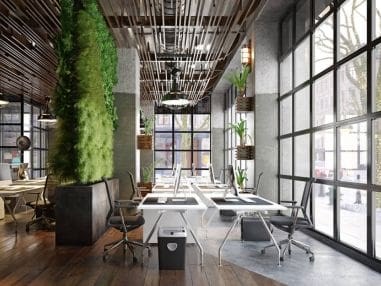
The way you use your office has changed. Teams expect more from the places they work, and businesses need spaces that support productivity, wellbeing, and culture without compromising compliance or long-term flexibility. That is where a cat B fit out comes into focus.
If you are planning an office move, refurbishment, or reconfiguration, understanding what this type of fit out involves helps you make informed decisions early. It also shapes how effectively your space will support your people once they move in.
This guide explains what Cat B fit outs are, how they differ from earlier stages of office preparation, and why they play such a central role in modern workplace design.
Understanding the Cat B fit out stage
A Cat B fit out takes an office from a functional shell to a fully operational workplace. By the time this stage begins, the building already includes core infrastructure such as raised floors, suspended ceilings, basic lighting, and mechanical and electrical systems. What is missing is everything that makes the space usable day to day.
This is the point where the office becomes yours.
A fit out typically introduces internal layouts, finishes, and features that reflect how your organisation works. Meeting rooms, collaboration areas, kitchens, breakout spaces, and focused work zones all take shape here. Furniture, technology, storage, and acoustic treatments are integrated so teams can operate comfortably from day one.
For many businesses, this stage determines whether the office genuinely supports people or simply meets basic requirements.
Why Cat B fit outs matter for modern offices
Modern offices must respond to varied working styles. Hybrid schedules, team-based projects, and wellbeing expectations mean that rigid layouts rarely work. A Cat B fit out allows you to shape the environment around real behaviour rather than assumptions.
Research from the British Council for Offices shows that employees with access to well-designed workspaces report higher satisfaction and improved concentration. Layout, lighting, and acoustic comfort all influence how people feel at work. These are not abstract design considerations, they affect performance and retention.
By using a Cat B approach, you can address these factors directly rather than inheriting limitations from a generic office setup.
Functionality built around your team
Every organisation works differently. Some rely on collaborative spaces, others need quiet focus areas, and many require a mix of both. Some fit outs provides the opportunity to design for this balance.
Space planning plays a central role here. Desk ratios, circulation routes, and room sizes are aligned with how teams use the office. Technology integration supports this too, with meeting rooms designed for hybrid calls and informal spaces equipped for quick collaboration.
The result is an office that works with your team rather than forcing them to adapt.
Compliance and standards without compromise
Office design must meet a wide range of regulations. Fire safety, accessibility, ventilation, lighting levels, and building control requirements all influence how a space is delivered. It brings these considerations together into one coordinated process.
Rather than treating compliance as a constraint, experienced teams integrate it into the design from the outset. This avoids costly changes later and ensures the office remains safe and comfortable as occupancy levels change.
Health and safety legislation in the UK places clear responsibilities on employers to provide suitable working environments. A well-planned Cat B fit out supports this duty while still allowing creativity and flexibility in design.
Supporting efficiency and productivity
Efficiency in an office setting goes beyond desk layouts. It includes how easily people move through the space, how quickly they can access resources, and how well the environment supports different tasks.
Lighting design is a good example. Poor lighting contributes to fatigue and discomfort. It allows lighting schemes to reflect task requirements, combining ambient, task, and feature lighting to suit different areas.
Acoustics also play a significant role. Open plan offices can suffer from noise issues that reduce focus. Acoustic panels, zoning, and material choices introduced during the Cat B stage help manage sound levels without closing off collaboration.
These details directly influence how productive your office feels on a daily basis.
Culture made visible through space
Office design communicates values. The way your space looks and functions sends clear signals about how your organisation operates. It out gives you control over that message.
Brand colours, materials, and finishes can be introduced subtly or boldly depending on your identity. More importantly, the layout can reflect how you want people to interact. Do you prioritise openness and collaboration, or privacy and concentration, or a considered mix of both?
Culture first design recognises that space influences behaviour. By shaping the environment intentionally, you support the culture you want to grow rather than leaving it to chance.
Sustainability considerations at Cat B stage
Sustainability increasingly influences workplace decisions. Energy efficiency, material choices, and waste reduction all matter to employees and stakeholders.
It presents opportunities to improve environmental performance without major structural changes. LED lighting, efficient HVAC controls, and responsibly sourced materials reduce ongoing energy use. Reusing existing elements where possible also limits waste.
According to the UK Green Building Council, operational energy accounts for a significant portion of a building’s lifetime emissions. Decisions made during the Cat B stage can therefore have long term impact on both costs and carbon footprint.
How Cat B differs from Cat A in practice
Understanding the distinction between Cat A and Cat B helps clarify scope and expectations. Cat A prepares the building for occupation in a general sense. Cat B prepares it for your organisation specifically.
At Cat A stage, the space remains largely open and neutral. Cat B introduces personality, functionality, and usability. This is where design choices directly affect employee experience.
It also often represent the most visible investment in their workplace. It is also where collaboration between client, designer, and contractor becomes critical to achieving the right outcome.
A collaborative process from start to finish
Delivering a successful fit out requires close collaboration. Designers, project managers, contractors, and clients must work together to align vision, budget, and programme.
Clear communication reduces risk and helps decisions stay grounded in practical realities. When teams share knowledge openly, potential issues are identified early and resolved before they affect delivery.
This approach reflects a no bull mindset, honest conversations lead to better results and stronger long-term relationships.
Shaping your space with confidence
If you are considering a fit out, clarity at the outset makes a measurable difference. Understanding how the process supports functionality, compliance, and culture helps you brief more effectively and evaluate options with confidence.
Start with your people and purpose
Before design begins, ask yourself how your teams work now and how that might change. Growth plans, hybrid policies, and operational needs all influence the right solution.
Working with a partner who understands end to end office delivery ensures these questions shape the design rather than becoming afterthoughts.
Looking ahead to long term value
A fit out is not only about the move in moment. It shapes how your office performs over time. Flexibility, durability, and adaptability all influence how well the space supports future change.
When planned well, it becomes a platform for growth rather than a fixed solution. It allows your workspace to evolve alongside your organisation while maintaining comfort and compliance.
Ready to reimagine your office?
If you are exploring how a Cat B approach could support your next office project, speaking with an experienced end to end team can help you clarify options early and avoid costly missteps later. A considered conversation now can shape a workspace that truly supports your people and purpose.
Get in touch with us today to talk through your plans and see how a culture first, human centred approach could work for your business.