Businesses now assess office space with more caution than they did a few years ago. Cost, flexibility, energy performance and future workplace needs all influence the decision before a lease is signed or a project moves forward.
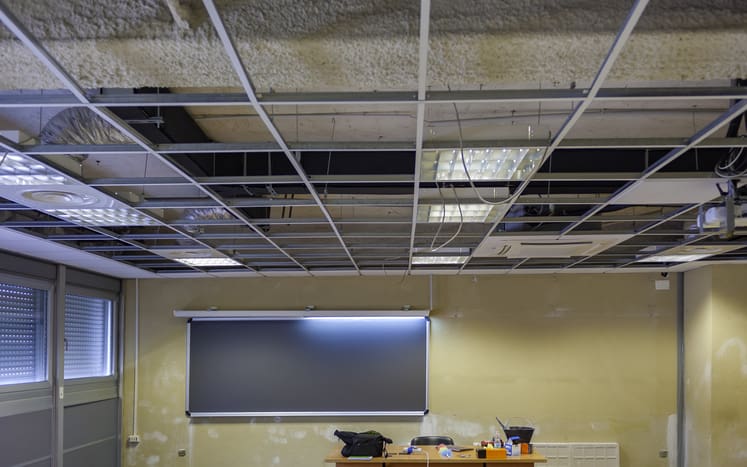
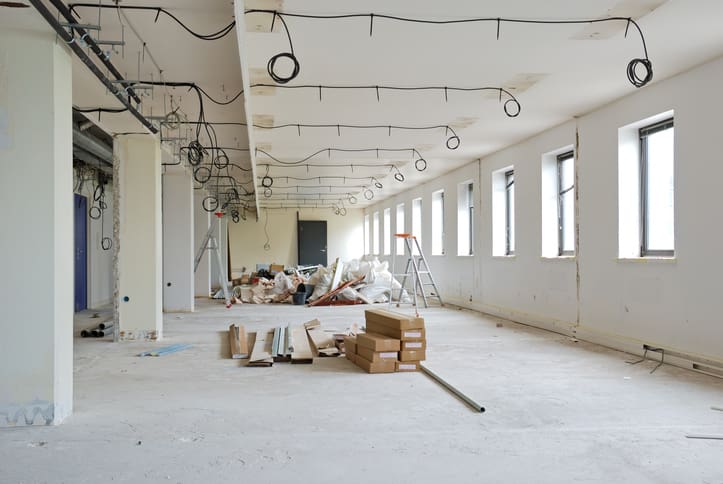
A cat a fit out sets the base condition of an office. It usually covers the core elements that make a space ready for future occupation, such as lighting, ceilings, flooring, heating, cooling and basic finishes. For many occupiers, those elements now carry greater importance because they affect what the office can become at Cat B stage.
As Q4 2026 approaches, businesses want more certainty before they commit to new workspace. They need to understand how the building will support hybrid working, how much adaptation it may need and how well it can support the next stage of growth.
That makes early planning more valuable. The better a business understands the base space, the easier it becomes to make practical design, fit-out and cost decisions later.
Why are Cat A expectations changing?
A cat a fit out no longer sits in the background of workplace planning. Occupiers now pay closer attention to the quality of the base build because it can influence future design freedom, project cost and workplace performance.
If the base specification limits future layouts, the Cat B stage can become harder to deliver. Poor service distribution, inefficient floorplates or weak building performance can restrict what the occupier can achieve.
Businesses now want office space that gives them options. They need enough flexibility to adapt the workplace as working patterns, headcount and operational priorities change.
This means Cat A decisions now shape more than occupation readiness. They shape future workplace potential.
How is flexibility changing office decisions?
Flexibility remains a key priority for businesses planning office space ahead of Q4 2026. Hybrid working has changed how people use offices, and many organisations still refine their long-term approach.
Some businesses need more collaboration space. Others need better quiet areas, meeting rooms or project zones. Many need a workplace that can adjust as attendance patterns change.
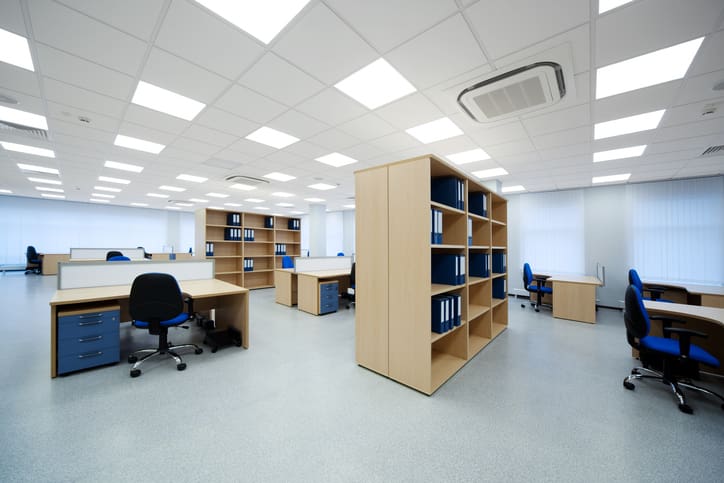
The base space must support those future options. A well-considered Cat A fit out can make later design decisions easier by providing a practical foundation for different layouts and working styles.
This matters because future change can become expensive when the space cannot adapt. Early review helps businesses avoid committing to an office that works on paper but restricts them later.
Why does building performance influence occupier decisions?
Building performance now carries more weight in office selection. Businesses look at running costs, energy use, ventilation, comfort and the quality of the working environment.
These factors affect both commercial decisions and employee experience. Poor lighting, weak ventilation or inefficient heating and cooling can reduce workplace quality and increase operational pressure.
Occupiers therefore need to assess how the base building will perform before they think about the final workplace design.
Sustainability also plays a growing role. Businesses want spaces that support environmental targets and responsible workplace decisions. A better-performing building can help reduce future strain on budgets and support a more considered approach to office investment.
Why should businesses think about Cat B earlier?
Cat A and Cat B decisions connect closely. The base space influences the design, cost and practicality of the finished workplace.
If a business waits too long to review future Cat B requirements, it may miss issues that could affect layout, technology, meeting space or workplace experience. Early thinking helps occupiers understand what the base space can realistically support.
This does not mean every detail needs final approval before a lease decision. It means the business should understand its likely workplace requirements early enough to make informed property choices.
A future-ready workplace starts with the right base conditions.
Plan your workspace before you commit
Bates Studio helps businesses review office space before major commitments are made. Through workplace consultancy, office design and fit-out expertise, we help occupiers assess how a potential space could support future working patterns, culture and operational needs.
This early view can help you identify strengths, limitations and practical opportunities before cost, lease or design decisions become harder to change.
What should occupiers assess before Q4 2026?
Businesses preparing for new office space or workplace investment should review the base space carefully. A good location and suitable size matter, but they do not tell the full story.
Occupiers should assess:
- Flexibility for future layouts
- Building performance
- Service distribution
- Energy efficiency
- Ventilation
- Natural light technology readiness
- Likely Cat B requirements
These checks help businesses understand how well the space can support future workplace plans. They also reduce the risk of choosing an office that needs more intervention than expected.
A clear assessment gives decision-makers better control over project scope, budget and long-term workplace value.
How does workplace consultancy improve decision-making?
Workplace consultancy gives businesses a clearer view of what they need from an office before design work begins.
It looks at how people work, how the organisation may change and what the workplace needs to support over the next few years. This helps occupiers connect property decisions with business goals.
At Bates Studio, this process helps shape more practical decisions around space planning, office design and fit-out. Instead of starting with assumptions, businesses can base their next steps on how the workplace needs to perform.
That approach can reduce wasted spend and improve confidence before major project decisions are made.
Why does early planning create better long-term value?
Office decisions last well beyond occupation day. The choices made before a lease, design or fit-out can influence employee experience, operational efficiency and future project costs.
Early planning helps businesses avoid short-term thinking. It encourages leaders to consider how the workplace may need to change as the organisation grows, restructures or adopts new ways of working.
A strong Cat A assessment can also help businesses avoid costly compromises during Cat B. When the base space supports future needs, the finished workplace becomes easier to plan and deliver.
That is why occupiers are paying closer attention to Cat A quality ahead of Q4 2026.
Preparing for the next stage of office planning
A cat a fit out now plays a larger role in workplace decision-making. Businesses want base spaces that support flexibility, sustainability, building performance and future Cat B design.
For occupiers, the main opportunity sits in early assessment. The right planning can help you understand what a space can support before you commit to major project spend.
If your business is reviewing office space or planning a future fit-out, we can help you make clearer decisions from the start. Speak to our team about workplace consultancy, office design and fit-out support, and we can help you prepare a workspace that supports your people, your culture and your next stage of growth.