Are facilities managers misjudging disruption during live office refurbishments
Facilities Managers often expect refurbishment work to run in the background without major disruption. The plan looks structured, timelines are clear, and the assumption is that teams can continue working with minimal impact. Live refurbishments rarely follow this ideal scenario, and the day-to-day effect on operations is often underestimated.
Noise, movement, and constant change quickly shift focus away from core responsibilities. Instead of managing the workspace, Facilities Managers find themselves managing disruption. This is where well-planned office refurbishment services become essential, not just for delivery, but for protecting how your business continues to operate.
What happens during a live workspace transformation
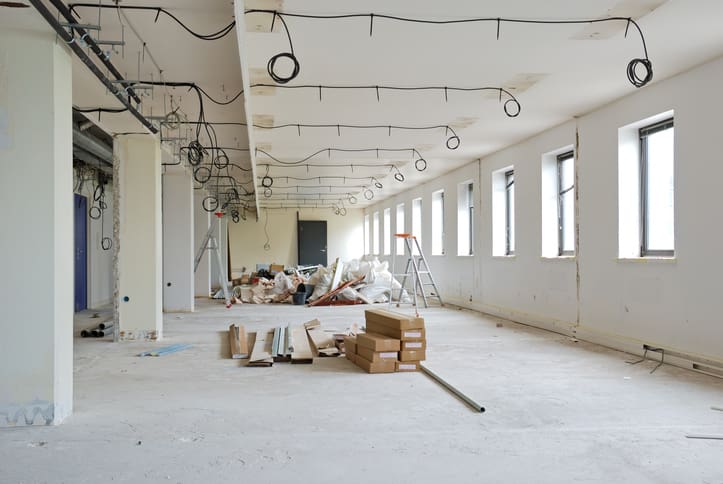
A live refurbishment means construction activity takes place while your team continues working. On paper, this appears manageable, but the reality is far more complex. Unexpected noise, shifting work areas, and unclear construction phases create daily disruption that is difficult to predict or control.
Standard project plans rarely reflect how a workplace functions. Contractors may follow a structured schedule, but they are often unaware of how your teams operate throughout the day. Without proper alignment, this creates friction between the build process and the people using the space.
What effective office refurbishment services should deliver
Strong office refurbishment services go beyond construction alone. They are built around protecting your day-to-day operations while improving the space, ensuring your team can continue working without unnecessary disruption or loss of productivity.
- Phasing aligned to real working patterns
Work should be planned around how your teams operate, not just contractor availability. This means understanding peak working hours, key meetings, and departmental needs so disruption is reduced at the moments that matter most.
- Clear and consistent communication
Everyone in the business should know what is happening and when. Regular updates remove uncertainty, help teams prepare for changes, and reduce frustration during periods of disruption.
- Well-planned temporary working environments
Relocation spaces should be set up to support productivity, not just act as a holding area. This includes access to the right technology, sufficient space, and a layout that allows teams to continue their work effectively.
- Controlled noise and disruption management
High-impact activities such as drilling and demolition should be carefully scheduled to avoid critical working periods. Managing when and where disruption occurs helps maintain focus across the wider team.
- End-to-end coordination
Design, planning, and delivery should work as one process. When these elements are aligned, projects run more smoothly, delays are reduced, and the final space reflects both operational needs and design intent.
Why standard project planning fails operational offices
Traditional planning approaches treat offices as empty environments ready for construction. They overlook the fact that teams are still working, collaborating, and relying on that space to perform. This disconnects leads to plans that look efficient but fail when applied to a live environment.
Facilities Managers often see this when departments are asked to relocate at times that do not suit their workload. Critical working periods are disrupted because planning did not account for real usage. Effective office refurbishment services require a deeper understanding of how your workplace operates before any timeline is set.
How disruption impacts performance and productivity
Disruption during refurbishment has a direct effect on how teams perform. Constant noise and movement reduce focus, making it harder for employees to complete tasks efficiently. Over time, this affects both productivity and morale.
Facilities Managers also lose time managing these issues. Instead of focusing on strategic improvements, they are dealing with daily challenges such as complaints, relocation adjustments, and coordination between teams. A poorly managed refurbishment turns into an ongoing operational burden.
How structured phasing reduces disruption
Structured phasing allows refurbishment work to be planned around how your teams use the space. Instead of treating the office as a single construction site, the project is broken into sections that align with real working patterns.
This approach creates control. Noisy work is scheduled outside key working hours, and teams are moved in a way that supports continuity. Clear communication ensures everyone understands what is happening and when. Well-executed office refurbishment services rely on this level of planning to maintain stability during change.
How Bates Studio manages live office refurbishments
Bates Studio approach lives refurbishments by focusing on how your business operates. We work closely with Facilities Managers to understand daily routines, team interactions, and key working periods before any construction begins.
This allows us to plan projects that fit around your operations rather than disrupt them. Our end-to-end office refurbishment services integrate planning, design, and delivery, ensuring that each stage of the project supports your team. The goal is to improve your space without compromising performance.
What makes a refurbishment work in a live environment
A successful live refurbishment is built on preparation. It starts with understanding how your teams work and identifying where disruption is most likely to occur. This insight shapes how the project is phased and delivered.
Clear communication is equally important. Teams need to know what to expect, when changes will happen, and how they will be supported. When these elements are in place, the refurbishment becomes manageable. Without them, even small issues can escalate quickly.
When should planning begin for a live refurbishment
Planning should begin well before any physical work starts. Ideally, Facilities Managers should engage with office refurbishment services several months in advance to allow time for detailed analysis and preparation.
This early stage is where risks are identified and addressed. It allows teams to test different approaches, plan relocation strategies, and align construction with operational needs. Starting late limits these options and increases the likelihood of disruption.
What this means for your next refurbishment
If you are planning a refurbishment, it is important to recognise that disruption is not just a possibility, it is a certainty if not managed correctly. The difference lies in how well that disruption is planned and controlled.
Facilities Managers who engage early and prioritise structured planning are better equipped to maintain performance during the project. Strong office refurbishment services focus on minimising disruption while delivering a space that works for your team long after the project is complete.
Planning a live office refurbishment? Speak to Bates Studio to ensure your project supports your team from day one.
Frequently asked questions
How do you minimise disruption during a live office refurbishment
Disruption is minimised by aligning construction work with business operations. This includes scheduling noisy activities outside working hours and planning phased works carefully.
Where do teams work during refurbishment
Teams are relocated to temporary spaces designed to support productivity. These areas are planned to ensure minimal disruption.
How early should refurbishment planning start
Planning should begin at least three to six months before construction. This allows enough time to align the project with operational needs.
Why do live refurbishments often cause problems
Problems occur when planning does not account for how the office is used. Without this understanding, disruption becomes difficult to manage.