Why late planning destroys your office design and build
Many workplace projects fail long before construction begins. The issue is not the quality of the design or the capability of the delivery team. It is the timing of key decisions. When Workplace and Facilities Managers inherit projects where spatial strategy has not been defined early, the entire office design and build process becomes reactive rather than planned.
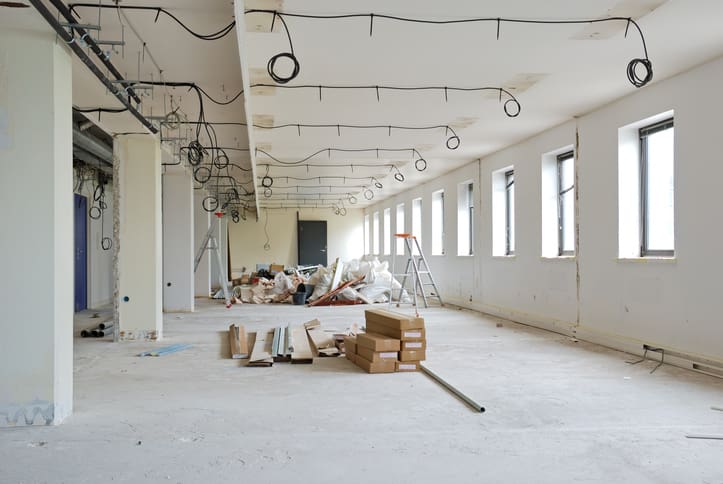
Delaying workplace planning means the building is chosen, timelines are set, and expectations are formed without understanding how the space needs to function. At that point, design teams are forced to work within fixed constraints that were never tested. This creates a chain of compromises that impact cost, usability, and long-term performance.
What happens when workplace strategy comes too late
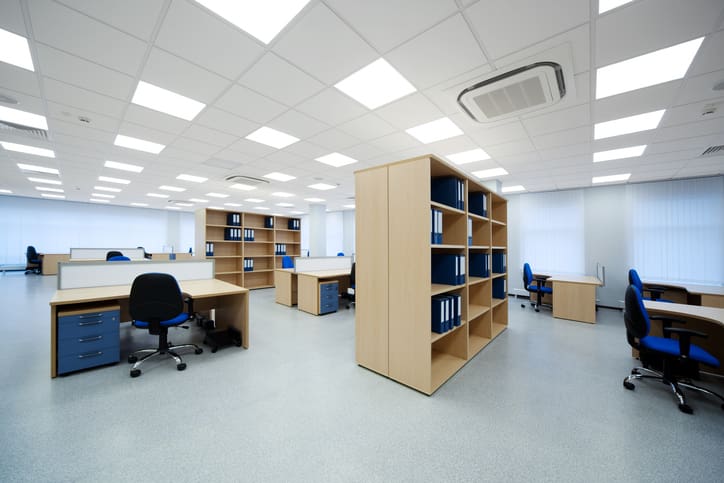
When workplace strategy is introduced too late, layout decisions are driven by limitation rather than intent. The space is shaped around structural constraints instead of being designed to support how your team works. This leads to environments that look complete but fail to support daily activities such as focused work, collaboration, and movement across departments.
The result is a workplace that creates friction. Meeting rooms are poorly positioned, quiet areas lack separation, and collaborative zones remain underused. These issues are not caused by poor design execution but by the absence of early planning. Without a clear strategy, even well-designed spaces struggle to perform in practice.
Why facilities managers feel the impact first
Facilities Managers deal with the consequences first, as they manage daily operations and must respond immediately when the workspace fails.
- They handle complaints about noise and layout issues
Teams quickly raise concerns when the space does not support focus or collaboration.
- They manage overcrowding and underused areas
Poor planning creates imbalance, with some zones overused while others sit empty.
- They deal with constant reactive fixes
Small adjustments become ongoing tasks instead of one-off improvements.
- They absorb operational disruption during working hours
Productivity drops when teams struggle to find suitable spaces to work.
- They carry pressure from both leadership and staff
Expectations remain high, even when the workspace limits what can be achieved.
How delayed decisions affect cost and performance
Late decisions increase costs in ways that are not always visible at the start of a project. Changes made during construction require redesign, additional materials, and extended labour. A meeting room that does not meet acoustic requirements or a layout that needs reconfiguration will often be rebuilt, creating unnecessary expense.
Beyond construction costs, there is a wider commercial impact. Inefficient layouts lead to wasted space, which increases ongoing operational costs such as rent and energy. At the same time, team performance suffers because the environment does not support how people work. A strong office design and build should improve both cost efficiency and productivity, not undermine them.
Why office design and build break down without early definition
An office design and build project relies on a clear understanding of how the space needs to function. Without early definition, decisions are based on assumptions rather than evidence. Teams often default to standard layouts because there is no time to explore how different working patterns should influence the design.
This creates a fragile project foundation. Once construction begins, it becomes difficult to adjust core elements such as layout, services, and structural features. The result is a space that may appear modern but lacks practical value. Employees are left working in an environment that does not support their needs, which reduces overall effectiveness.
How to align space with how your team works
Alignment begins with understanding real workflows, ensuring the workspace reflects how your team operates every day.
- Map how teams collaborate and communicate daily
- Define where focused work needs to happen
- Understand movement across departments
- Review current space challenges before redesigning
- Use early planning to guide design decisions
What early workplace planning changes
Early workplace planning shifts the entire direction of a project. It allows potential issues to be identified and resolved before they impact cost or timelines. Instead of reacting to problems during construction, you address them during the planning stage when changes are easier and less expensive to implement.
This approach also improves the user experience. When planning is done properly, the workspace supports how teams interact and perform. Movement feels natural, and the environment encourages productivity. A well-planned office design and build create consistency between design intent and daily use, which is essential for long-term success.
How Bates Studio helps you get it right from the start
Bates Studio begin every project by understanding how your business operates. We work closely with you to define how your teams use space, what your priorities are, and how your workplace needs to support performance. This early collaboration ensures that design decisions are grounded in real operational requirements.
Our integrated approach connects workplace strategy, design, and delivery. By aligning these elements from the start, we reduce the risk of late-stage changes and ensure a smoother project process. The result is an office design and build that not only looks right but functions effectively for your team from day one.
Why timing matters more than design
Design is important, but timing determines whether that design can succeed. If key decisions are made too late, even the best design cannot overcome the limitations created earlier in the process. The effectiveness of a workspace depends on when planning begins, not just how the final design looks.
Getting the timing right gives you control over the outcome. It allows you to shape the space around your team’s needs and avoid the compromises that come with reactive decision-making. A successful office design and build is built on early clarity, not late adjustments.
What this means for your next project
If you are planning a new workspace, the most important step is defining how your team works before committing to a layout or timeline. Early planning ensures that every decision supports your operational goals and reduces the risk of costly changes later.
This approach creates a stronger foundation for your project. It improves cost control, supports team performance, and ensures the final space works as intended. Better workplaces are the result of clear decisions made early, not adjustments made under pressure.
Are you designing your workspace around your team, or expecting your team to adapt to the space? Speak to Bates Studio early to make sure your office design and build works from day one.
Frequently asked questions
Why do office design and build projects fail
Projects fail when planning starts too late. Without early workplace strategy, layouts are based on assumptions rather than real working patterns.
How can facilities managers reduce disruption in new office spaces
Facilities managers reduce disruption by ensuring early planning reflects actual workflows. This prevents layout issues and reduces the need for reactive changes.
When should workplace planning begin
Workplace planning should begin before any layout decisions are made. Early strategy ensures the space supports operations from the start.
What is the biggest risk of late planning
The biggest risk is committing to layouts that do not support daily work, leading to wasted space, higher costs, and reduced productivity.
How does early planning improve office performance
Early planning aligns space with team behaviour, creating an environment that supports productivity, reduces friction, and improves overall efficiency.